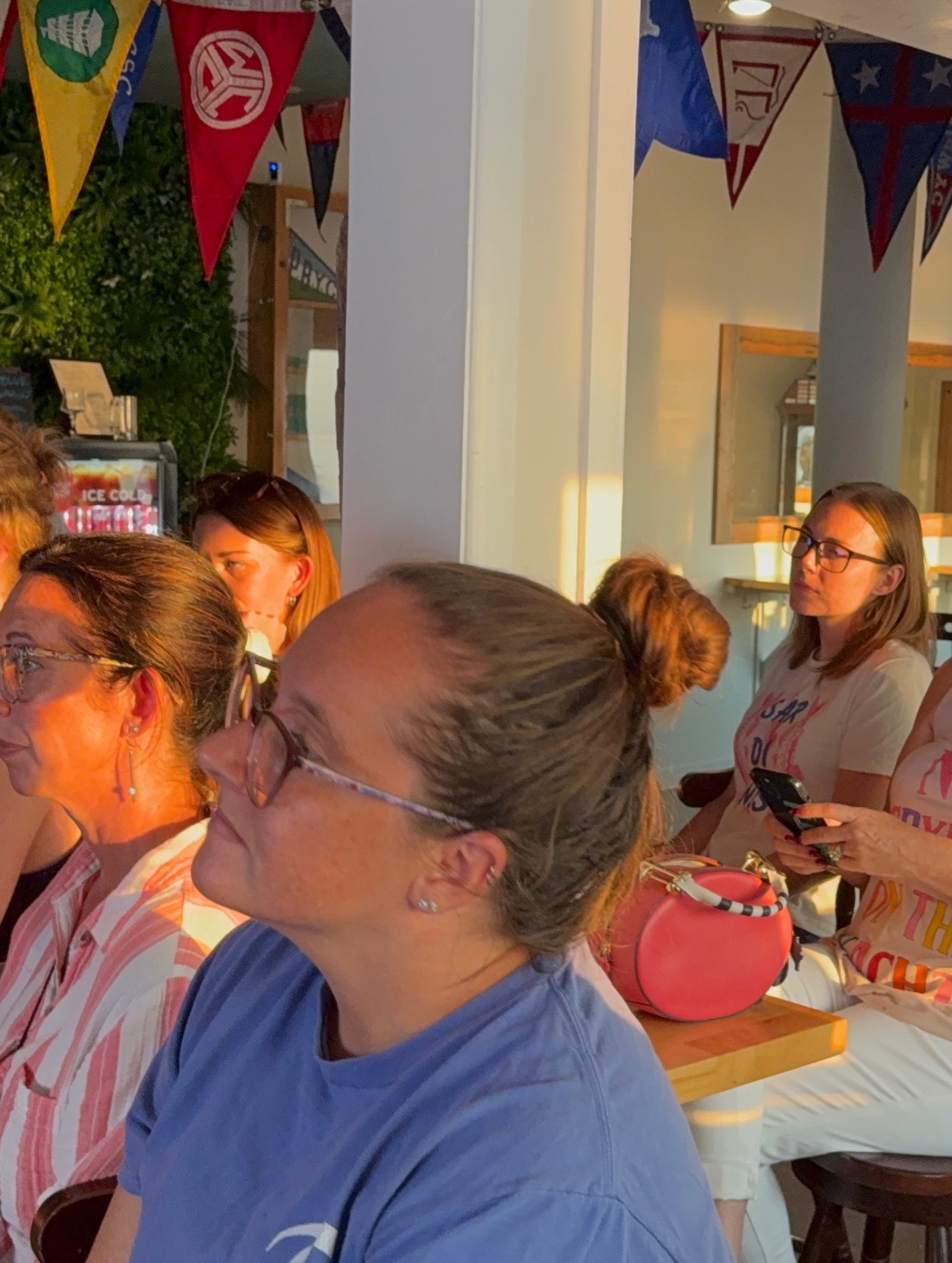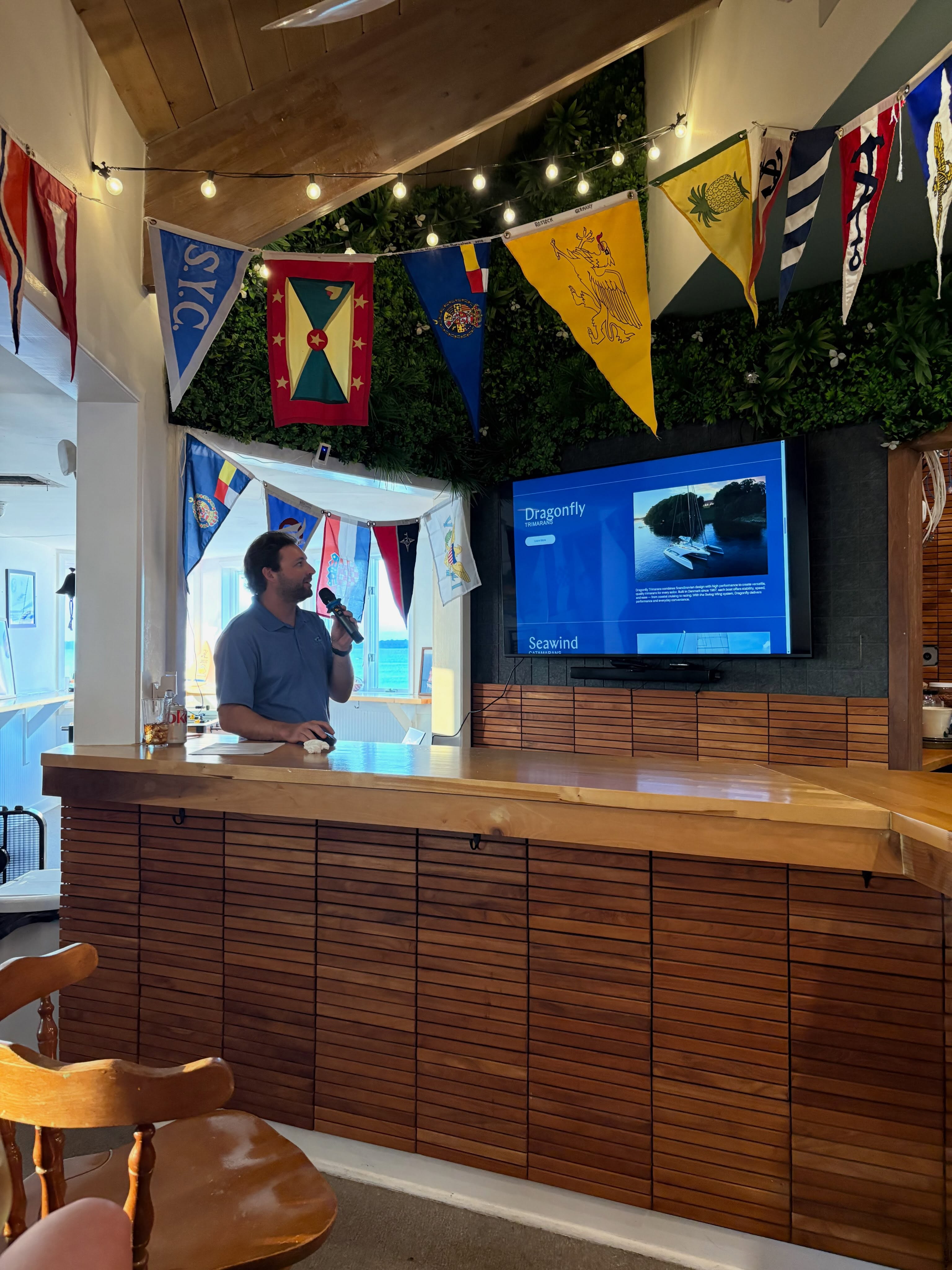
Choosing a sailboat can become an endless search for a perfect combination of price, equipment, layout, location, and performance. During a recent seminar at Pensacola Beach Yacht Club, Windcraft Multihulls explored a more useful goal: identify the right boat for the way you want to sail, understand its compromises, and make an informed decision that gets you onto the water.
Start by defining the sailing you expect to do. A boat for local day sailing has different priorities from one intended for family cruising, racing, offshore passages, or frequent trailering. Think honestly about crew size, experience, storage, draft, marina access, cruising range, and how often the boat will be used. A clear mission makes it easier to separate essential features from attractive extras.
Budgeting also needs to extend beyond the purchase price. Surveys, insurance, dockage or storage, maintenance, upgrades, registration, transport, and commissioning can materially affect the cost of ownership. A lower-priced boat may need significant work, while a more expensive boat with the right equipment and maintenance history may be the stronger value. Understanding the total ownership picture helps buyers compare opportunities on equal terms.
New and pre-owned boats each bring tradeoffs. A new boat offers current systems, factory choices, and a defined commissioning process. A pre-owned boat may be available sooner and include valuable equipment, but it should be evaluated carefully through a professional survey, maintenance records, and a realistic plan for repairs or upgrades. Good advice from experienced brokers, surveyors, insurers, and service professionals can prevent expensive surprises.
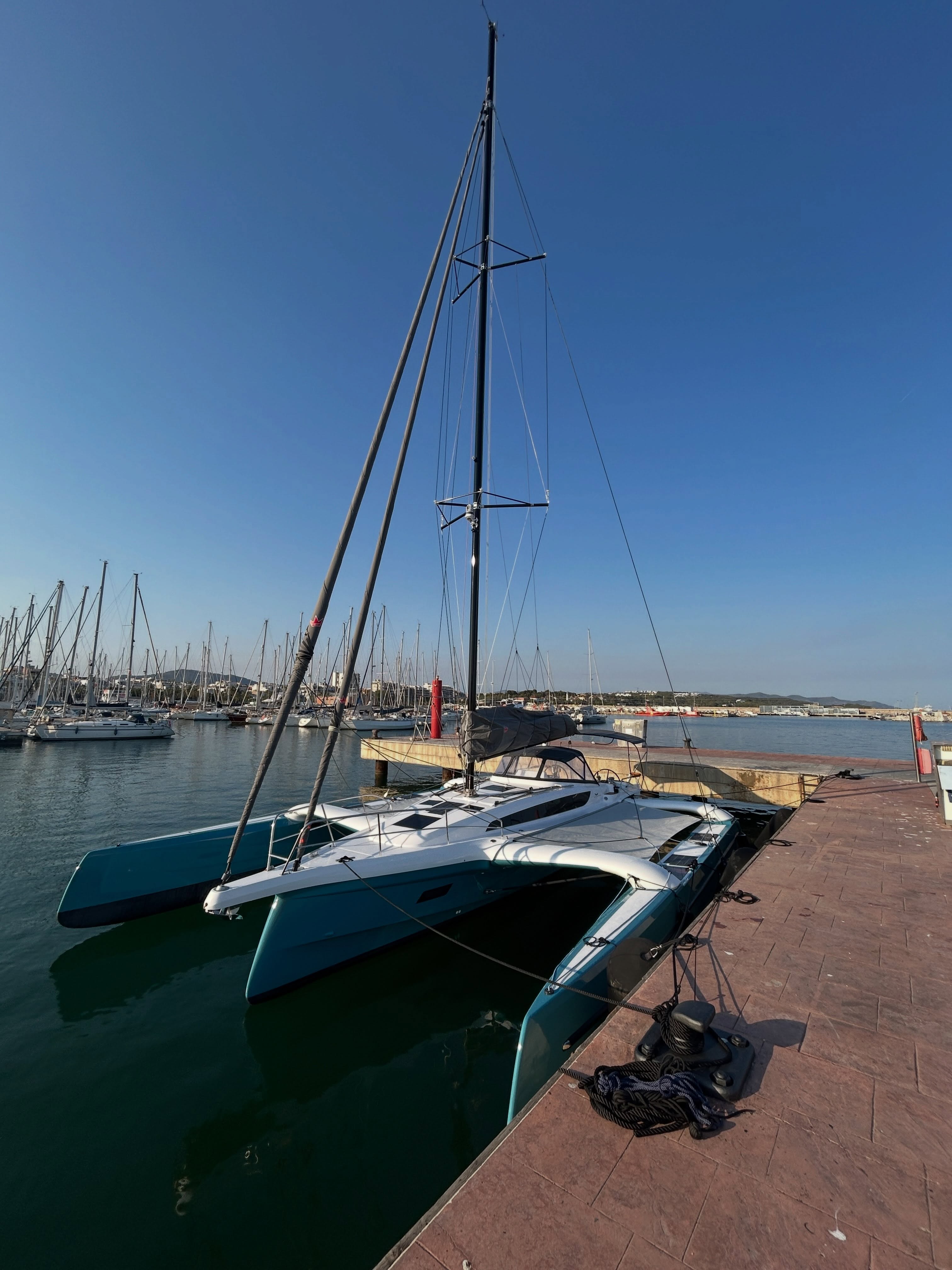
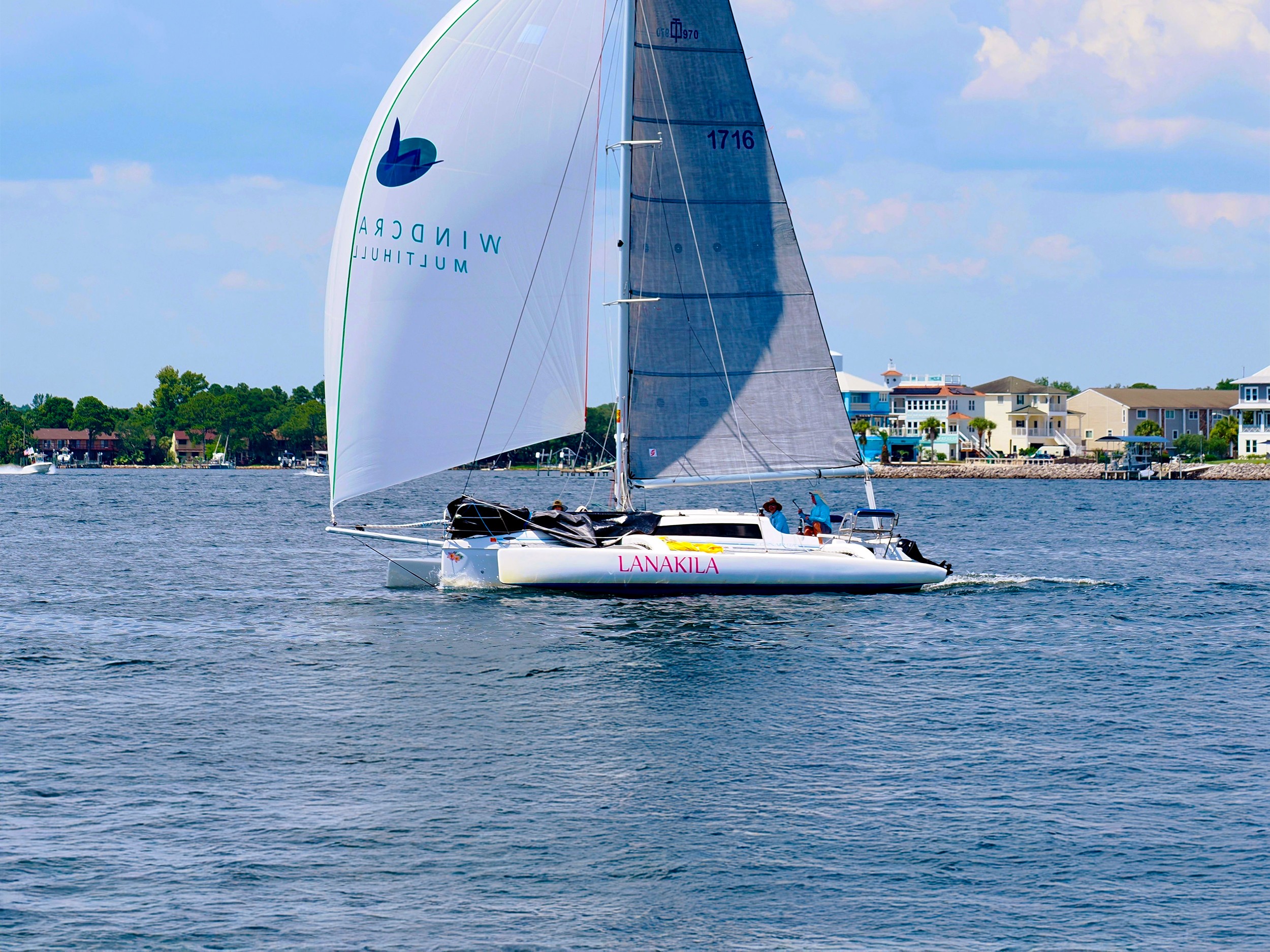
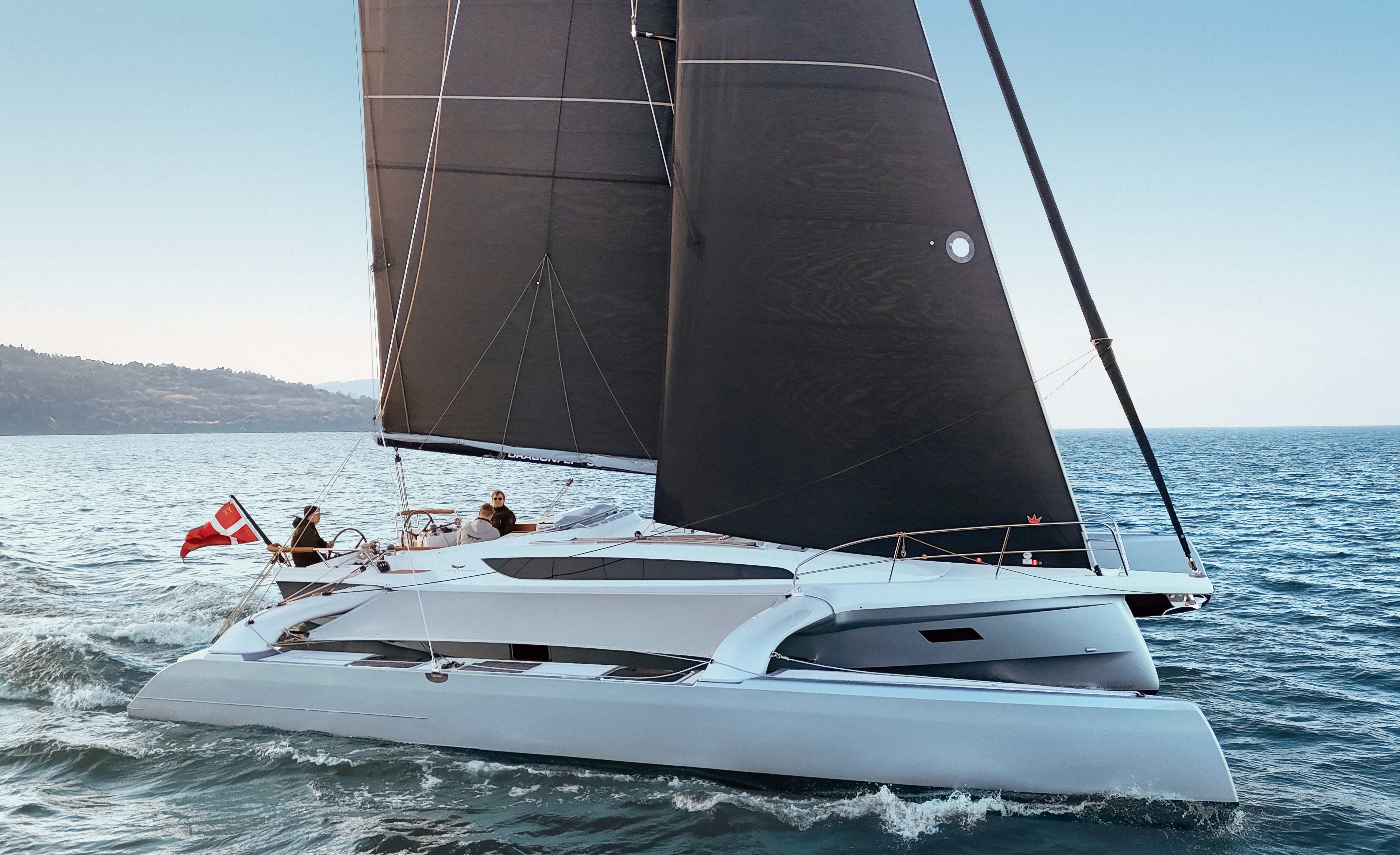
Boat type matters as much as condition. Monohulls, catamarans, and trimarans offer different balances of feel, space, speed, stability, draft, transportability, and marina needs. Within the multihull category, Dragonfly, Seawind, and Corsair serve different ownership goals. The most useful comparison comes from sailing the boats, examining how their layouts support your plans, and discussing the practical details of storage, handling, maintenance, and training.
Every boat is a compromise. The ideal layout may be outside the budget, the best price may come with the wrong equipment, and the strongest candidate may be far from home. Waiting indefinitely for a flawless match can cost years that could have been spent sailing. Once the intended use is clear, inspect carefully, ask questions, understand the costs, seek professional guidance, and choose the boat that best supports the experiences you want now.